Trump Proposes Census Changes to Exclude Undocumented Immigrants
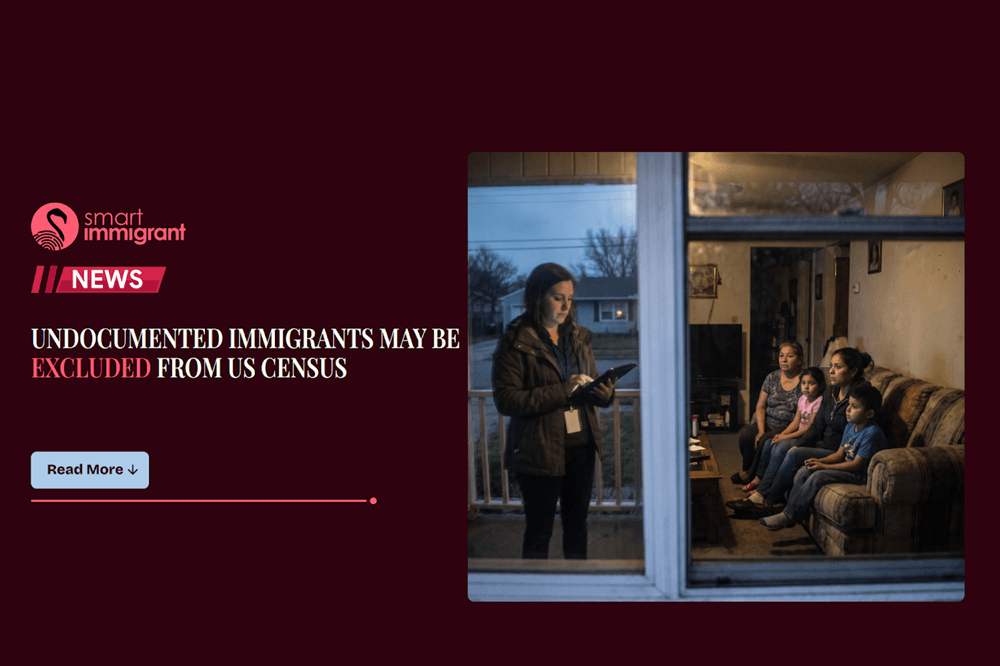
The Trump administration proposes major US Census changes that could exclude undocumented immigrants and some non-permanent residents from the population count.
US Census May Exclude Undocumented Immigrants
The Trump administration has proposed major changes to how the US Census counts immigrants, potentially excluding undocumented immigrants and some noncitizens without permanent residency from the population count. The proposed changes could affect congressional representation, federal funding and how states draw political districts.
The proposal is part of a broader effort to change how immigration data in the US Census is collected and used. It has also renewed concerns about how the changes could affect immigrant communities across the country.
What Changes Are Being Proposed for the US Census?
Under the proposed rule, the Census Bureau would continue counting US citizens and lawful permanent residents but could exclude undocumented immigrants and noncitizens whose legal status is considered less durable than that of permanent residents.
The bureau is considering using federal administrative records to determine the immigration status of people included in the census.
The records could come from agencies including:
- Department of Homeland Security
- Department of the Treasury
- Department of Health and Human Services
- Department of Defense
- US Postal Service
The proposal would represent a major change from the current approach, which counts people living in the US regardless of citizenship or immigration status.
Why Could Excluding Immigrants From the Census Matter?
The US Census is conducted every 10 years and plays an important role in determining congressional representation and allocating federal resources.
If undocumented immigrants and the US Census are separated under the proposed framework, states with large immigrant populations could see changes in their population totals.
This could potentially affect:
- The number of seats a state receives in the US House of Representatives
- Congressional district boundaries
- Distribution of federal funding
- The political representation of communities with large immigrant populations
The proposal is likely to face legal challenges because the 14th Amendment requires congressional representation to be based on the “whole number of persons” in each state.
Could the Census Stop Collecting Race and Ethnicity Data?
The proposed overhaul goes beyond immigration status. The Census Bureau is also reconsidering questions related to race, ethnicity and sexual orientation.
The administration has questioned the usefulness and sensitivity of collecting some of this information, potentially changing the way demographic data is gathered in future censuses.
What Could the Census Changes Mean for Immigrants?
The proposal does not directly change immigration status, visa eligibility or a person's ability to apply for a United States Green Card or US permanent residency.
However, it could change how immigrant populations are represented in official population data and how resources are distributed.
For immigrants, including those researching America visa requirements for Indian citizens or comparing pathways such as Green Card vs citizenship, the proposal is another significant development to watch as the administration reshapes US immigration and demographic policies.
The changes are not yet final. The proposal is expected to face public and legal scrutiny before any new Census rules take effect.
Stay connected with Smart Immigrant for more updates on US immigration and policy changes.
Read Full News Here:
https://www.theguardian.com/us-news/2026/sep/09/trump-census-changes-immigrants