US Midterm Election Results: What They Could Mean for H-1B Visas and Indian Workers
The 2026 US midterm elections have reshaped the balance of power in Congress, potentially influencing the direction of immigration policy during President Donald Trump's remaining term. With Democrats projected to gain control of both the Senate and House of Representatives, the results could affect debates surrounding H-1B visa restrictions, employment-based Green Cards and immigration enforcement. However, the election outcome does not automatically change existing immigration rules.
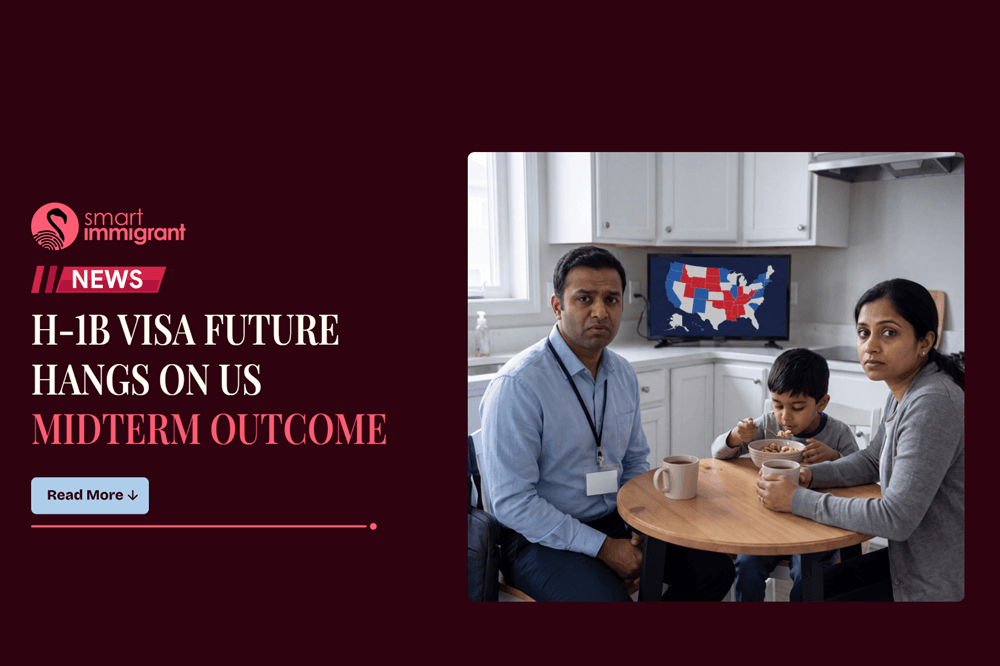
US Midterms: What Changes For Immigration?
The 2026 US midterm elections have reshaped the balance of power in Congress, potentially influencing the direction of immigration policy during President Donald Trump's remaining term. With Democrats projected to gain control of both the Senate and House of Representatives, the results could affect debates surrounding H-1B visa restrictions, employment-based Green Cards and immigration enforcement. However, the election outcome does not automatically change existing immigration rules.
What Changed in the 2026 US Midterm Elections?
Voters went to the polls on November 3 to elect all 435 members of the House of Representatives and 35 senators.
Democrats secured control of the Senate and were also projected to take control of the House, according to election projections reported on November 4. The change could influence congressional priorities, committee leadership and oversight of federal immigration policies.
Will the Election Affect H-1B Visa Policies?
The change in congressional control could influence discussions around several immigration measures, including:
- H-1B fees: The additional $100,000 fee for certain H-1B petitions remains subject to ongoing legal proceedings.
- Wage-based selection: Changes to H-1B selection and employer requirements could receive greater congressional scrutiny.
- Visa extensions: Proposed changes to how USCIS reviews previously approved petitions may attract legislative oversight.
- Work authorisation: Restrictions affecting international graduates and dependent visa holders could become subjects of further debate.
However, Congress cannot automatically reverse executive actions or court decisions. Any legislative changes would need to follow the required lawmaking process.
What Could Change for Indian Green Card Applicants?
Employment-based immigration, including EB-1, EB-2 and EB-3 categories, could also feature in future congressional discussions.
Lawmakers may examine Green Card backlogs, country-based visa allocations and employer sponsorship requirements. However, the election does not automatically change priority dates, Green Card eligibility or existing US permanent residency procedures.
What Happens After the Midterm Elections?
The new Congress will take office in January 2027. Its priorities, committee investigations and legislative proposals will help determine how immigration policy evolves.
For Indian professionals, the practical impact will depend on which proposals advance, whether existing executive policies face legal or legislative challenges, and how federal agencies implement their responsibilities.
Until formal changes are announced, H-1B workers and Green Card applicants should continue following existing immigration requirements rather than assuming that the election has changed their status or benefits.
Stay connected with Smart Immigrant for more updates on US immigration and policy changes.