H-1B Visa Trends: USCIS Report Shows Workers Are More Educated and Better Paid
A new USCIS report shows H-1B visa workers are becoming more educated, better paid, and increasingly concentrated in technology roles, with Indian professionals continuing to dominate approvals.
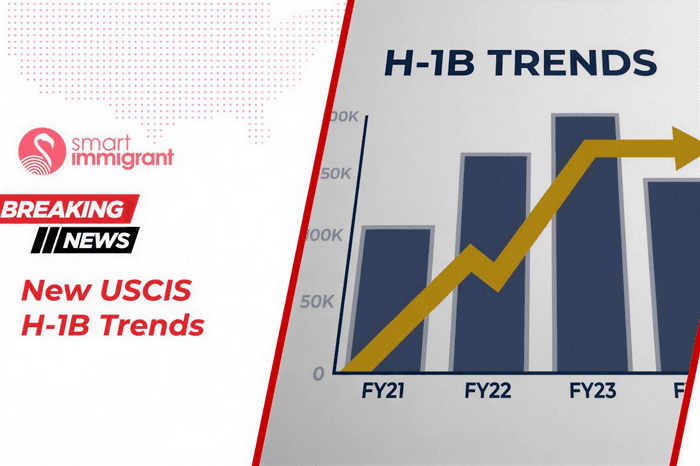
New USCIS H-1B data reveals that the H-1B workforce is becoming increasingly educated, higher paid, and concentrated in technology occupations. The report also highlights India's continued dominance in the H-1B Visa program, accounting for nearly 70% of all approved beneficiaries in fiscal year 2025.
USCIS Report Highlights Changing H-1B Trends
According to the annual USCIS report, 406,348 H-1B petitions were approved in fiscal 2025, with nearly 70% granted to beneficiaries born in India, followed by China at approximately 12%.
The report also shows a significant shift in educational qualifications. Around 58% of approved beneficiaries held a master's degree or higher, compared with 31% holding bachelor's degrees and 4% holding doctorates. Immigration experts attribute this trend to rising demand for expertise in artificial intelligence, cloud computing, semiconductor design, biotechnology, and advanced engineering.
Tech Sector Continues to Drive Demand
Technology remained the largest source of employer sponsorship, with 252,088 approvals, about 62% of all H-1B approvals issued for computer-related occupations.
USCIS data also shows professionals with advanced qualifications continue to command competitive salaries. Workers with professional degrees recorded the highest median annual compensation at $205,000, while bachelor's degree holders earned a median of $132,000.
The report further indicates that a large share of approvals involved continuing employment, suggesting employers are retaining skilled foreign workers through H1B visa renewal rather than relying solely on new hires.
What It Means for Applicants
The findings reinforce the growing preference for highly qualified candidates seeking an H-1B petition, particularly those with advanced degrees and specialized technical skills.
The report also underscores the long-term reliance on the program despite ongoing debates over H1B vs Green Card pathways and persistent Green Card processing time backlogs affecting professionals pursuing US permanent residency. While discussions over stricter eligibility standards continue, the latest USCIS H-1B data suggests employers remain focused on recruiting highly educated talent for specialized roles.
For more updates on H-1B Visa, USCIS H-1B data, employment-based immigration, and the latest U.S. immigration developments, visit Smart Immigrant and stay informed.