USCIS H-1B Petition Rules Change from July 10: What Applicants Need to Know
USCIS has introduced new filing rules effective July 10, 2026, affecting H-1B visa holders and Green Card applicants. Here's what applicants need to know before submitting petitions.
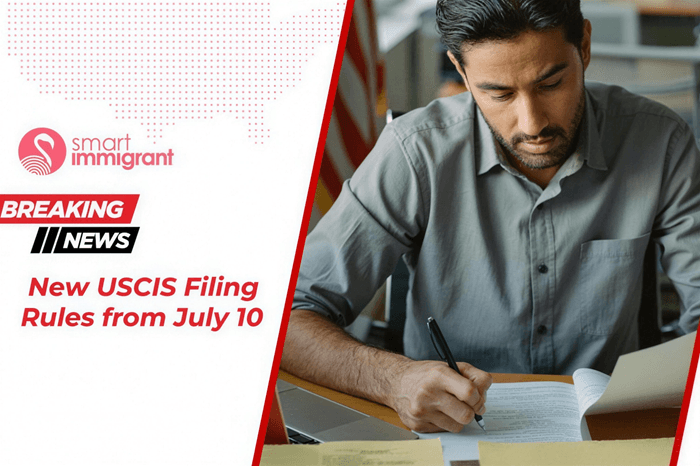
The U.S. Citizenship and Immigration Services (USCIS) will implement updated filing rules from July 10, 2026, requiring applicants to use revised immigration forms for several petitions, including H-1B and employment-based Green Card filings. Applications submitted on outdated forms after the deadline may be rejected.
What Changed?
USCIS has announced that beginning July 10, it will accept only the latest editions of several immigration forms, including Form I-129, which is used to file a USCIS H-1B Petition for workers in a specialty occupation.
Petitions submitted using older versions of the required forms after the effective date may be rejected, potentially delaying immigration benefits. The updated filing requirements also apply to several employment-based immigration categories, making it important for applicants and employers to verify that they are using the correct form editions before submission.
Why It Matters
The revised filing rules affect employers, immigration attorneys, and foreign professionals preparing H-1B petitions or employment-based immigration applications.
For every H-1B beneficiary, using the correct version of Form I-129 is essential to avoid processing delays or rejected filings. The change also comes as many applicants continue navigating H1B visa renewal, maintaining valid H1B visa status, and planning long-term transitions from H1B vs Green Card pathways.
USCIS has advised applicants to carefully review form edition dates and filing instructions before submitting applications.
Impact on Immigrants
The new filing requirements do not change eligibility criteria for H-1B visas or employment-based Green Cards, but they could affect application timelines if incorrect forms are submitted.
Rejected petitions may impact Green Card processing time, delay H1B visa renewal, or create complications for individuals approaching their H1B visa grace period following employment changes. Immigration experts recommend that employers and applicants verify all USCIS forms before filing to ensure compliance with the updated requirements.
As the new rules take effect, timely preparation and accurate documentation will play an increasingly important role in avoiding unnecessary delays for H-1B workers and Green Card applicants.
For more updates on USCIS rules, US visa policy changes, and the latest U.S. immigration developments, visit Smart Immigrant and stay informed.