H-1B Curbs Could Hurt US Healthcare, Technology and Education, Warns Indian Diaspora Group
An Indian diaspora organisation has warned that proposed restrictions on H-1B visas and other employment pathways could affect critical sectors of the US economy, including healthcare, technology and education. In a statement issued on October 30, 2026, Indiaspora raised concerns over rising anti-Indian rhetoric and immigration policy proposals that could make it harder for skilled foreign professionals to work in the country.
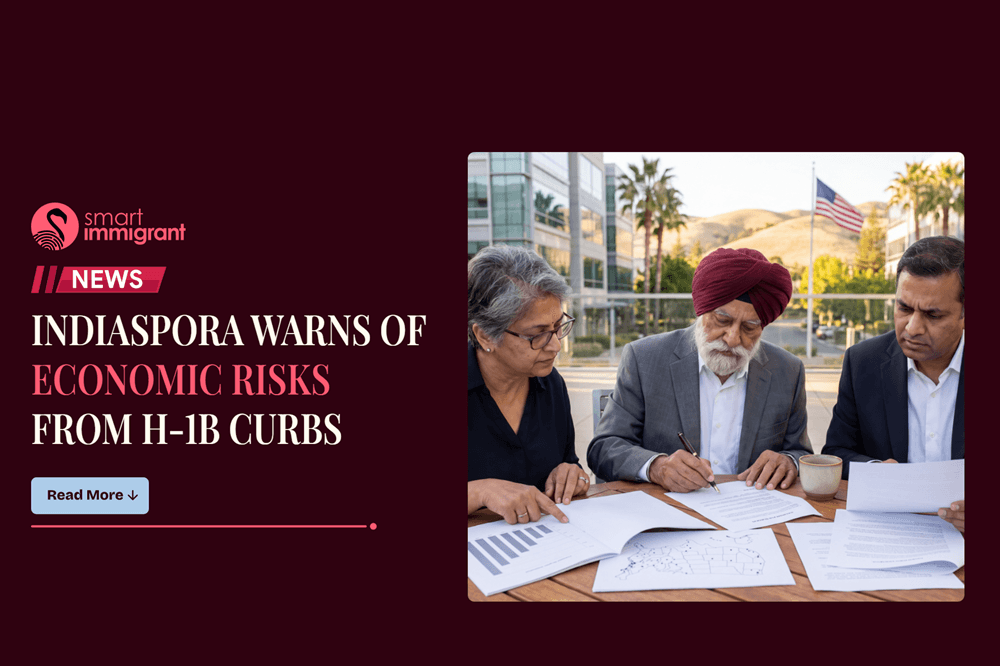
Banner Text: H-1B CURBS COULD HIT US HEALTHCARE, TECH & EDUCATION
An Indian diaspora organisation has warned that proposed restrictions on H-1B visas and other employment pathways could affect critical sectors of the US economy, including healthcare, technology and education. In a statement issued on October 30, 2026, Indiaspora raised concerns over rising anti-Indian rhetoric and immigration policy proposals that could make it harder for skilled foreign professionals to work in the country.
What H-1B Restrictions Has Indiaspora Flagged?
Indiaspora identified several proposed immigration measures that it believes could increase costs for employers and restrict opportunities for international professionals.
The concerns include:
- H-1B petition fees: Proposed fees exceeding $100,000 could place additional financial pressure on technology companies and regional healthcare employers.
- Wage-weighted H-1B selection: Replacing the random lottery with a wage-based system could reduce selection opportunities for early-career professionals earning lower salaries.
- 60-day grace period: The proposed elimination of the grace period could leave laid-off H-1B workers with less time to find another employer or arrange their immigration status.
- H-4 work authorisation: A proposed freeze on certain H-4 spouse employment authorisations could affect families that depend on two incomes.
- OPT and STEM OPT fees: Proposed fees of up to $70,000 could make it more expensive for international graduates to transition from education to employment in the US.
These measures were highlighted by Indiaspora as policy concerns; they should not be interpreted as a single set of rules already implemented across all H-1B and OPT applicants.
How Could H-1B Curbs Affect Healthcare, Technology and Education?
Indiaspora argued that restricting access to international talent could create workforce challenges beyond major technology companies.
Healthcare: Foreign-trained physicians working on H-1B visas help fill vacancies in underserved and rural communities where recruiting domestic doctors can be difficult. Restrictions could make these positions harder to fill.
Technology: Indian professionals contribute to engineering, software development and innovation across US companies. Higher sponsorship costs and changes to visa selection could make international recruitment more difficult.
Education: Schools in underserved areas, including communities in the Mississippi Delta, have relied on teachers from India to address staffing shortages. Reduced access to foreign professionals could add pressure to these institutions.
The organisation warned that employers could respond by shifting some hiring overseas rather than filling every affected position domestically.
Will H-1B Restrictions Affect Indian Professionals?
Indian nationals represent a significant part of the H-1B workforce, making the proposed changes particularly relevant to professionals from India.
Early-career graduates, technology workers, physicians, teachers and international students transitioning through OPT could face different challenges depending on which proposals move forward.
For workers already in the US, changes to the grace period or employment authorisation could affect job transitions and the ability to maintain lawful immigration status. However, the impact would depend on the final rules and each individual's visa category.
What Happens Next?
Indiaspora has urged political leaders from both parties to reject rhetoric targeting Indian-origin professionals and reconsider measures that could disrupt access to skilled international workers.
The proposals it identified remain subject to their respective regulatory and policy processes. Their final scope, implementation dates and impact on employers and foreign workers will depend on future government decisions.
As the US continues to debate its employment-based immigration framework, Indian professionals should monitor developments involving H-1B selection, work authorisation, OPT and employer sponsorship before making decisions about their US career or permanent residency plans.
Stay connected with Smart Immigrant for more updates on US immigration and policy changes.