US Visa Extensions Face Fresh Scrutiny Under Proposed DHS Rule
Indian professionals working in the United States could face stricter reviews when applying for work visa extensions under a proposed Department of Homeland Security (DHS) rule. Published on October 14, 2026, the proposal seeks to end the requirement for US Citizenship and Immigration Services (USCIS) officers to give weight to previous approval decisions when reviewing certain extension petitions.
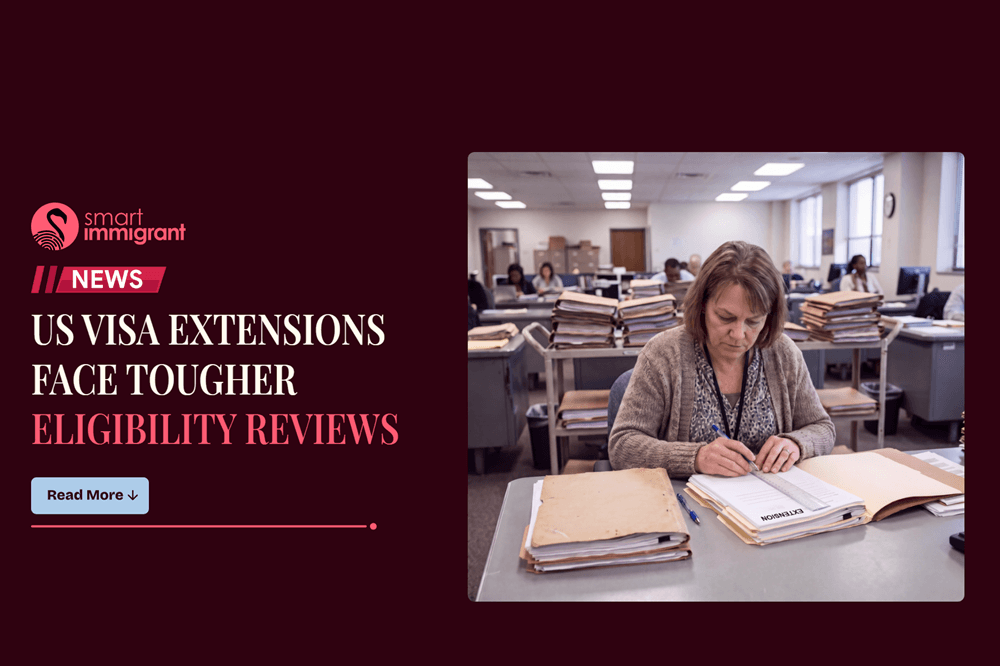
Indian professionals working in the United States could face stricter reviews when applying for work visa extensions under a proposed Department of Homeland Security (DHS) rule. Published on October 14, 2026, the proposal seeks to end the requirement for US Citizenship and Immigration Services (USCIS) officers to give weight to previous approval decisions when reviewing certain extension petitions.
What Are the New US Visa Rules?
The proposed rule, titled Removing Deference to Prior USCIS Determinations of Eligibility, would remove a policy that generally requires USCIS officers to consider previous approvals when the same employer and employee file an extension under unchanged circumstances.
If finalised, officers could independently reassess eligibility with every extension application, even when the employee continues in the same role with the same employer.
Will Visa Extensions Face More Scrutiny?
The change could increase documentation requirements for employers and foreign workers. USCIS officers may conduct fresh reviews of:
- Job responsibilities and employee qualifications.
- Salary, work location and employment arrangements.
- Employer operations and sponsorship requirements.
- Continued eligibility under the relevant visa category.
DHS estimates that the proposal could generate approximately 6,044 additional Requests for Evidence (RFEs) annually. An RFE is not a rejection; it gives applicants an opportunity to submit additional documentation.
Who Is Affected by the Proposed Changes?
The proposal covers certain employment-related petitions filed through Form I-129, including H-1B, L-1 and O-1 visa categories, along with other covered non-immigrant worker classifications.
Indian professionals, particularly those relying on H-1B extensions, could face additional documentation requirements. The proposal does not change the underlying O-1 visa requirements or H-1B eligibility criteria.
Can DHS Reject Visa Extensions?
USCIS already has the authority to deny extensions when applicants fail to establish eligibility. Under the proposed rule, previous approvals would no longer carry the same regulatory weight during subsequent reviews.
The proposal does not automatically cancel existing visas or change the H-1B grace period or US permanent residency eligibility.
The public comment period closes on November 13, 2026. Until a final rule takes effect, the existing policy remains applicable. Indian professionals and employers should continue following current filing requirements while monitoring further DHS announcements.
Stay connected with Smart Immigrant for more updates on US immigration and policy changes.
Official source: Federal Register – Proposed DHS Rule