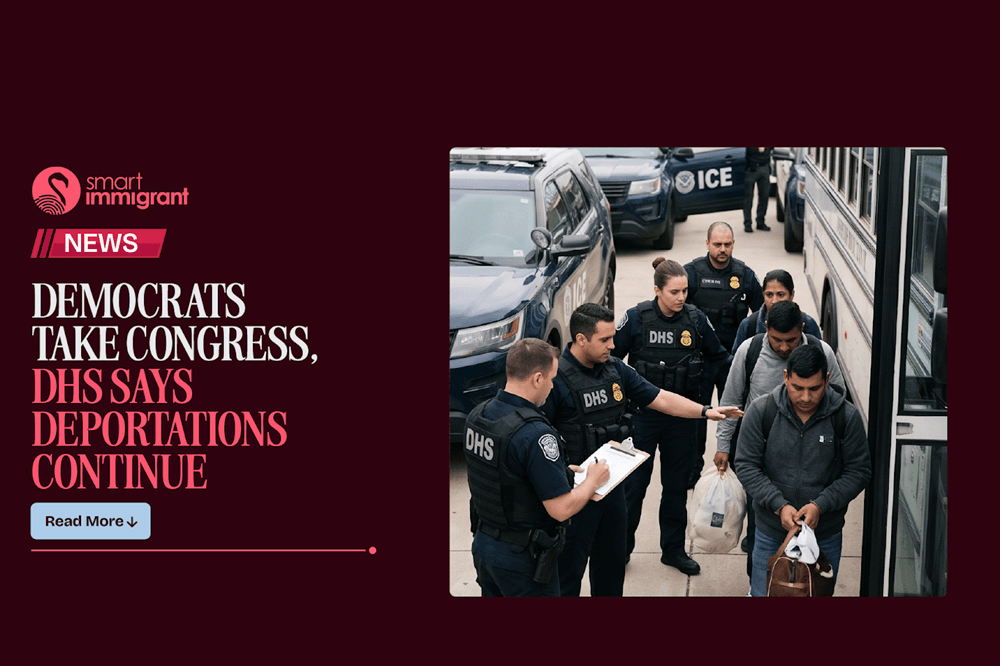
Trump Says US Deportation Crackdown Was Too Tough
US President Donald Trump has acknowledged that his administration's aggressive deportation policies may have gone too far, following Republican setbacks in the 2026 midterm elections. In an interview aired on November 8, Trump also expressed willingness to negotiate an immigration agreement with Democrats.
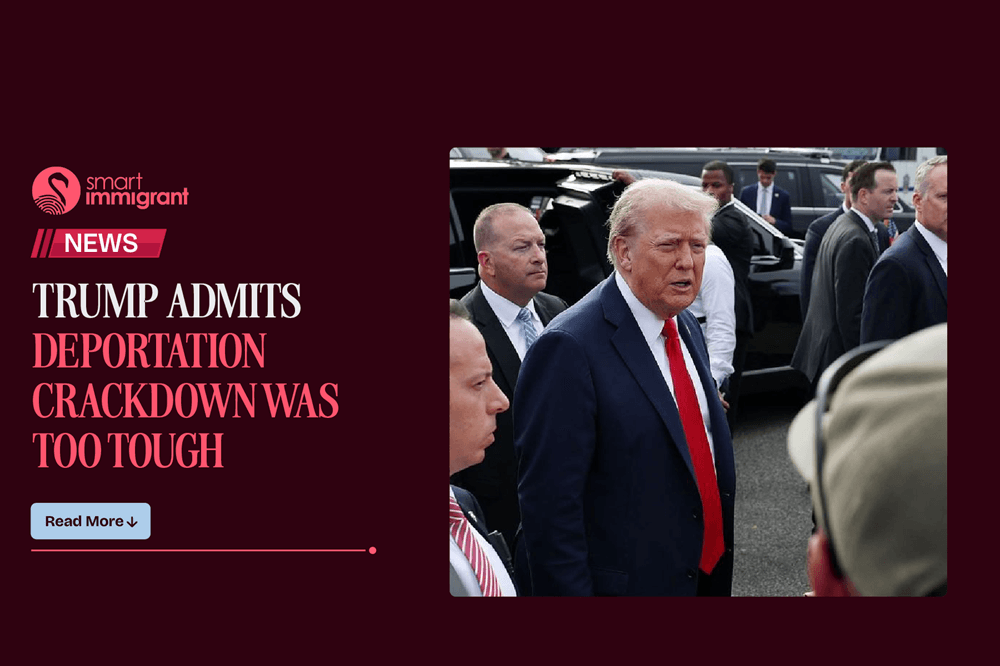
Trump Admits Deportation Crackdown Was Too Tough
US President Donald Trump has acknowledged that his administration's aggressive deportation policies may have gone too far, following Republican setbacks in the 2026 midterm elections. In an interview aired on November 8, Trump also expressed willingness to negotiate an immigration agreement with Democrats.
What Did Trump Say About Deportation Policies?
Trump defended his administration's border enforcement measures but acknowledged criticism over the removal of immigrants who had jobs and contributed to local communities.
He said the administration received support for deporting individuals considered serious offenders but faced criticism for removing long-term undocumented residents whose primary violation was entering the country unlawfully.
Trump acknowledged that the crackdown had been "too tough" in certain cases.
Could the US Change Its Deportation Policy?
Trump indicated openness to an immigration agreement that could allow some undocumented immigrants to remain in the country.
He suggested that individuals who had lived in the US for 10 to 15 years and maintained employment could potentially qualify for such an arrangement.
However, he did not announce specific eligibility requirements, timelines or a formal legal pathway. Existing deportation policies therefore remain in effect.
What Role Will Congress Play?
Democrats are set to take control of both chambers of Congress in January 2027. The new majority could increase oversight of Immigration and Customs Enforcement (ICE) and the Department of Homeland Security (DHS).
Trump's comments could open discussions on immigration legislation, but any agreement would require further negotiations and legislative action.
What Does This Mean for Immigrants?
The remarks signal a possible shift in the immigration debate, but they do not provide immediate legal protection or change the status of undocumented immigrants.
H-1B workers, international students and employment-based Green Card applicants should also note that Trump's comments do not change their existing visa or permanent residency requirements.
Until formal policy changes are announced, immigrants should continue following existing immigration rules and monitoring official government updates.
Stay connected with Smart Immigrant for more updates on US immigration and policy changes.