Student Visa Rules Change: US Caps Visa Stays at Four Years
The US has finalized new student visa rules that replace the Duration of Status system with a four-year stay limit for many F-1 students. Here's what it means for international students and Indians.
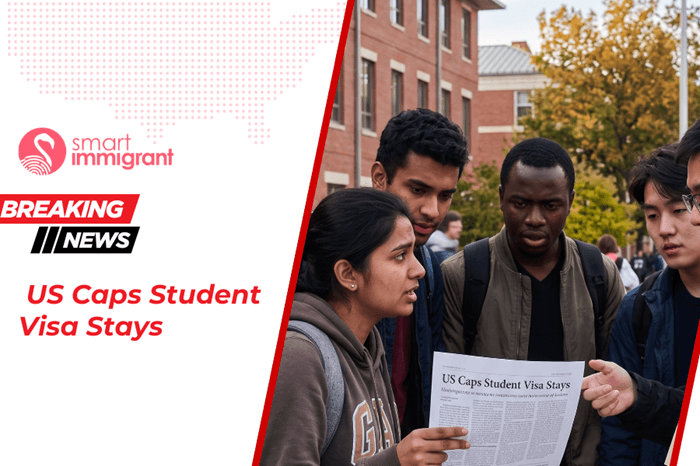
The Trump administration has finalized a rule that replaces the long-standing Duration of Status (D/S) policy with a fixed period of stay for many international students. Under the new regulation, several F-1 student visa holders may be limited to a maximum stay of four years, after which they must seek an extension if they wish to continue studying in the United States.
What Changed?
Previously, most international students remained in the U.S. under the Duration of Status (D/S) system, allowing them to stay as long as they maintained valid enrollment and complied with SEVIS requirements. The new rule replaces that framework with a fixed period of stay, generally capped at four years for many students.
Those pursuing longer academic programs, research degrees, or other extended courses may need to apply for an extension before their authorized stay expires. Students must also ensure that their Form I-20 and immigration records remain valid throughout their studies.
Why It Matters
The rule marks a significant shift in student visa regulations by introducing an additional immigration review for students whose programs exceed the approved stay period. This could affect long-term academic planning, research programs, and career pathways, including transitions from F1 to H1B visa status or eventually from an F1 student visa to Green Card.
Impact on International Students
The policy is particularly relevant for Indian students, one of the largest groups of international students in the United States. It may influence F1 visa processing time, future extension requests, and planning for graduate studies or employment after graduation. Students are advised to maintain SEVIS compliance, keep their Form I-20 updated, and monitor USCIS guidance regarding extension procedures.
While the rule does not alter admission requirements or visa eligibility, it fundamentally changes how long many international students can remain in the U.S. without seeking additional authorization.
For more updates on US visa for Indians, and the latest US immigration developments visit Smart Immigrant and stay informed.