US Sends First Third-Country Deportees to Liberia
The US has sent its first group of third-country deportees to Liberia, expanding its deportation policy and raising new questions around immigration enforcement.
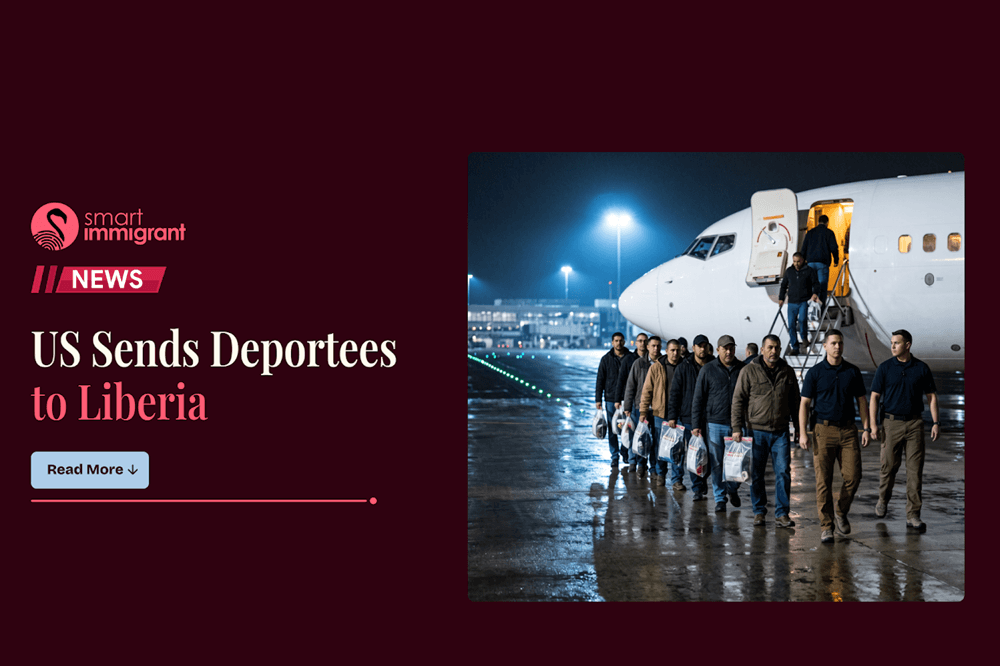
The United States has sent its first group of third-country deportees to Liberia, marking a new development in the Trump administration's deportation policy. The move expands the use of third-country removal, in which immigrants are deported to a country other than their country of citizenship.
First Group Arrives in Liberia
According to CBS News, Liberia has received a group of about 20 people deported from the United States. The group includes individuals from several different countries who were sent to Liberia under an arrangement between the two governments.
The development comes as the Trump administration continues to expand immigration enforcement and seeks agreements with other countries to accept people removed from the US.
Liberian officials have indicated that the country could receive up to 1,200 deportees from the US over the next year under the arrangement.
What Is Third-Country Removal?
Under third-country removal, an individual can be deported to a country that is not their country of nationality. The policy has become an increasingly important part of the administration's broader immigration enforcement strategy.
The approach can affect immigrants who have exhausted their legal options in the US but whose removal directly to their home country may be difficult or cannot immediately take place.
What It Means for Immigrants
The Liberia arrangement does not directly change eligibility for US permanent residency or a United States Green Card. It is also separate from the distinction between Green Card vs Citizenship, as the policy concerns people subject to removal rather than the standard process for obtaining permanent residency or citizenship.
For individuals navigating US immigration, including those reviewing America visa requirements for Indian citizens, the development highlights the importance of maintaining lawful status and understanding how changing third-country removal policies could affect their circumstances.
As the US expands agreements with countries willing to accept deportees, the latest move signals a broader approach to immigration enforcement that could have implications for immigrants facing removal proceedings.
Stay connected with Smart Immigrant for more updates on US immigration and policy changes.
Read Full News Here:
https://www.cbsnews.com/news/liberia-first-group-third-country-deportees-from-u-s/