
USCIS Can Now Deny Immigration Applications for Missing Documents
USCIS has restored stricter rules allowing officers to deny US immigration applications that lack required initial evidence without first issuing an RFE or NOID.
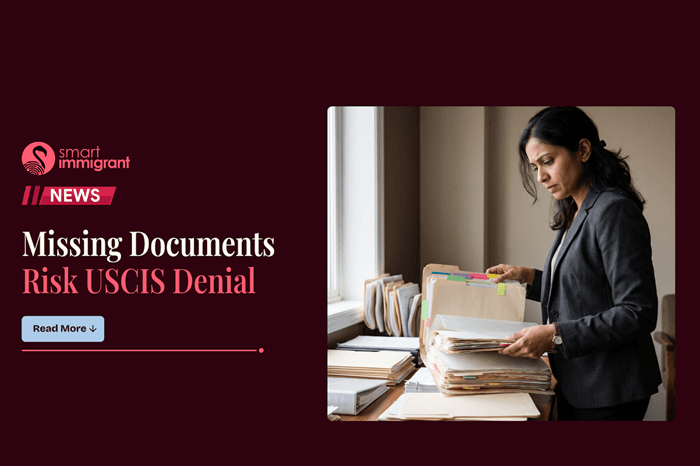
The U.S. Citizenship and Immigration Services (USCIS) has restored a stricter policy that allows officers to immediately deny US Immigration Applications if required initial evidence is missing. The change removes the requirement to first issue a Request for Evidence (RFE) or Notice of Intent to Deny (NOID) in many cases.
USCIS Restores Stricter Filing Policy
Under the updated policy guidance, USCIS officers have the discretion to deny applications that are submitted without the required supporting documents instead of giving applicants an opportunity to correct the deficiency. The agency says the change is intended to encourage complete filings and improve the efficiency of the USCIS application process.
While officers may still issue an RFE or NOID when appropriate, applicants should no longer assume they will receive a second chance to submit missing documents.
Complete Documentation Becomes More Important
The policy applies across a range of immigration benefits and reinforces the importance of meeting all USCIS filing requirements at the time of submission. Applicants seeking a United States Green Card, US permanent residency, employment authorization, or other immigration benefits should ensure that every required document is included with the initial filing.
Submitting a complete application may help avoid delays, additional costs, or an immediate denial that could require a fresh filing.
What Applicants Should Do
The updated guidance does not change America visa requirements for Indian citizens or affect Green Card processing time directly. Instead, it changes how USCIS handles incomplete applications by giving officers greater discretion to deny filings that lack mandatory initial evidence.
As USCIS adopts a stricter approach to documentation, applicants should carefully review filing instructions before submission and verify that all required forms and supporting evidence are included. Those with complex immigration cases may also consider seeking professional legal guidance to reduce the risk of avoidable filing errors under the revised policy.
Stay connected with Smart Immigrant for the latest U.S. immigration news and expert insights on US visa pathways.