US Plans $70,000 OPT Fee for International Students, Universities Raise Concerns
The proposed $70,000 OPT fee could significantly change how US universities support international students seeking post-study employment. With universities warning about rising institutional costs and reduced access to OPT, the proposal could affect enrolment decisions, career opportunities, and long-term US immigration plans for international graduates.
Universities Oppose Proposed OPT Charges Amid Concerns Over International Student Enrolment
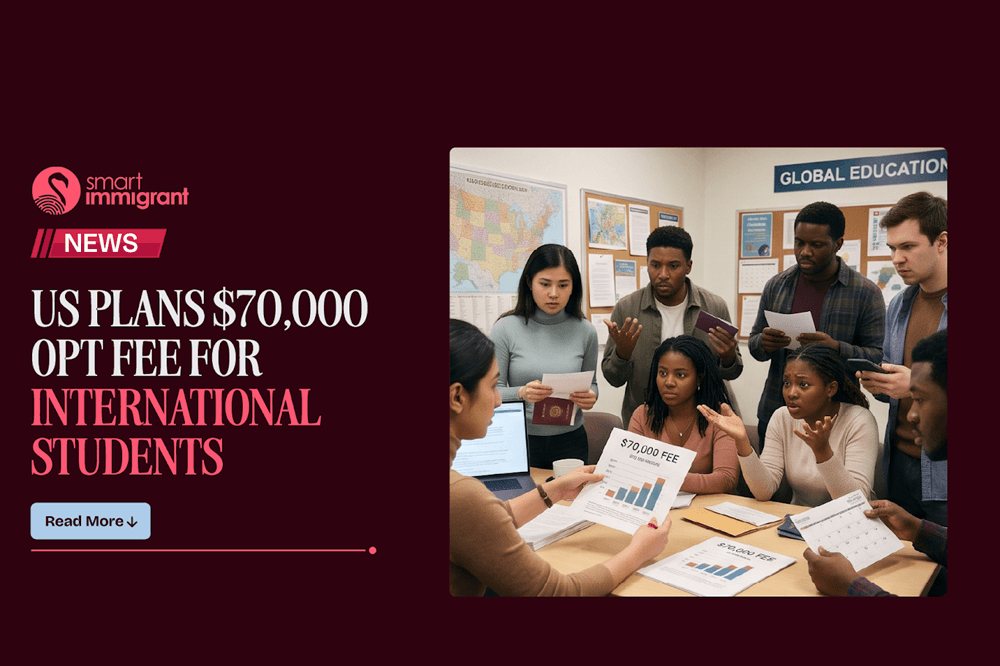
The US Department of Homeland Security (DHS) has proposed a $70,000 fee for universities recommending international students for Optional Practical Training (OPT). The proposal also includes an additional $30,000 charge for subsequent OPT recommendations, including STEM extensions.
The Presidents' Alliance on Higher Education and Immigration, representing nearly 600 American colleges and universities, has urged DHS to withdraw the proposal, warning that it could increase institutional costs and restrict post-study employment opportunities.
What Is the $70,000 OPT Fee?
OPT allows eligible international students studying in the US on an F-1 visa to gain practical work experience related to their field of study. Students can generally receive up to 12 months of OPT, with eligible STEM graduates able to apply for an additional 24-month extension.
Under the proposal released on October 8, 2026, universities would pay $70,000 for an initial OPT recommendation and $30,000 for subsequent recommendations.
Who Will Pay the OPT Fee?
The proposed fee would be paid by universities certified under the Student and Exchange Visitor Program (SEVP), rather than directly by students. Institutions must make the payment before their Designated School Official recommends a student for OPT.
However, universities may absorb the expense, seek contributions from students or employers, or reduce the number of OPT recommendations they make.
How Will the OPT Fee Affect Students?
The proposal could make post-study employment opportunities more difficult to access. According to estimates cited by the Presidents' Alliance, a private university with fewer than 500 international students could face approximately $5.4 million in annual expenses.
Smaller institutions may find it particularly difficult to absorb these costs, potentially creating unequal access to OPT opportunities.
Will OPT Fees Impact International Students?
Yes. The proposal could influence university enrolment decisions, employment opportunities and the overall cost of studying in America. Indian students planning their US visa for Indians applications may also need to consider how these changes could affect their post-study plans.
For students considering an F1 student visa to green card pathway, OPT often provides an opportunity to gain US work experience before exploring longer-term employment sponsorship and US permanent residency options, including the United States green card.
The DHS proposal remains under consideration and has not been implemented. The public comment period closed on November 9, 2026. Its final outcome could influence how universities support international graduates seeking work opportunities in the US.
Stay connected with Smart Immigrant for more updates on US immigration and policy changes.